







Oklahoma Senator: Let States Impose More Sanctions on Iran
Error: Contact form not found.

 by Algemeiner Staff

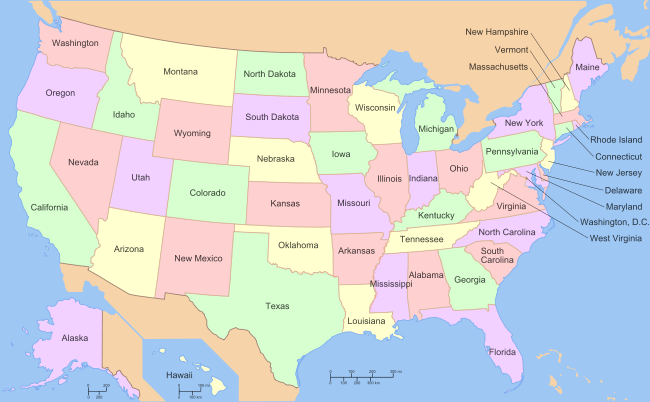
In an op-ed, Senator Jim Inhofe (R-OK) and Oklahoma Attorney-General Scott Pruitt said the states should sanction Iran if Congress doesn’t.’ Photo: Wikipedia.
While the recently agreed Iran nuclear deal, known as the Joint Comprehensive Plan of Action, calls on the U.S. to drop sanctions against Iran’s financial and oil sectors, once the International Atomic Energy Agency has submitted a report wrapping up its concerns ahead of Implementation Day, individual states should “strengthen and expand” those sanctions, wrote Senator Jim Inhofe (R-OK) and Oklahoma Attorney-General Scott Pruitt in an op-ed for The Wall Street Journal on Sunday.
“Regardless of President [Barack] Obama’s view of Iran, the states certainly have numerous moral and reputational reasons to prohibit the investment of public assets, such as pension funds, into companies doing business with countries that sponsor terrorism, and to prohibit state agencies from doing business with such companies,” they wrote.
The Iran deal itself calls on the Obama administration to “take appropriate steps” to ensure, legally, that states do not stymie the U.S.’s lifting of sanctions, especially as some 25 states — including California, Texas, New York, New Jersey and Illinois — have imposed sanctions on Iran, especially regarding the investment of state or local assets, such as pension funds in Iran.
The authors cited Iran’s dismal human rights record — which includes the execution of minors; officially sanctioned beheadings and rape; persecution of minority communities and members of the LGBT population; disappearances of and restrictions on civil liberties — as the primary concern for states. But they also noted Iran’s support for global terrorism, such as Hezbollah operations in Lebanon, its holding of four American hostages and calls for attacks on the U.S. and the destruction of Israel.
Additionally, states should avoid the financial consequences that could arise from investing in a state sponsor of terrorism like Iran, they wrote.
While most analysts believe Congress will not be able to muster the two-thirds majority needed to override Obama’s veto of a congressional resolution rejecting the deal, several have also noted that the battle over the deal is far from over, and part of it will be waged on the state level.