



New York Times Gives Cory Booker Free Pass on Iran Deal, Lead-Poisoned Water in New Jersey Schools
Error: Contact form not found.

 by Ira Stoll

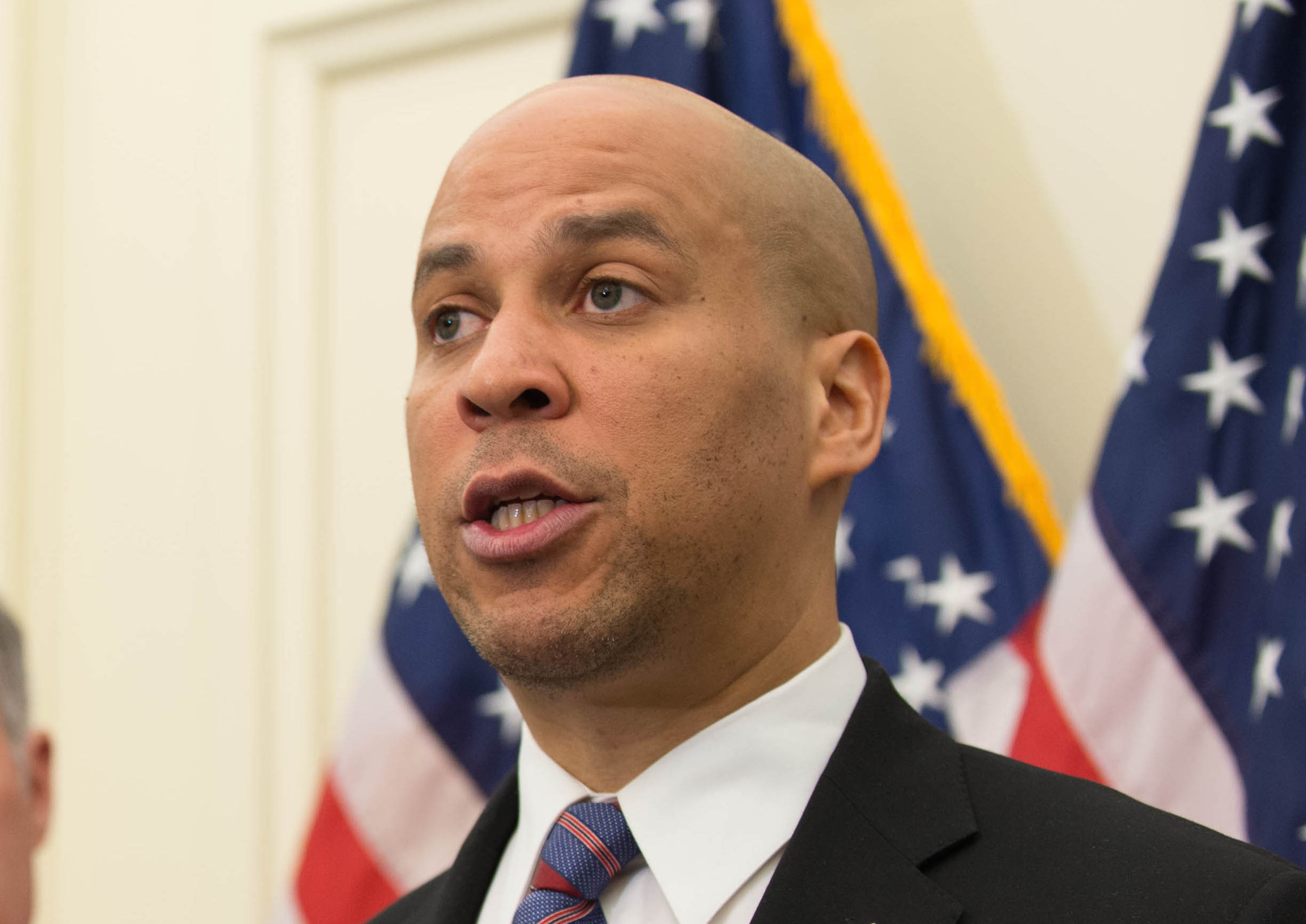
Senator Cory Booker. Photo: Wikipedia.
The New York Times ran a 3,000-word interview over the weekend with Cory Booker, the senator from New Jersey, managing not to include a word about his decision to support the Iran nuclear deal.
The reluctance can’t be because the Times didn’t consider his vote on the deal newsworthy; the newspaper ran not one but two articles on the topic last year. And the issue has only gotten more newsworthy since the Times last addressed it. Just earlier this month, Rabbi Shmuley Boteach wrote:
At the AIPAC Policy Conference in Washington this week, I could hardly walk 10 feet without someone stopping me and asking, “So what’s going on with you and Cory? Why did he vote for the Iran deal? Couldn’t you have stopped him? And how has it affected your relationship?”
Last month, Rabbi Boteach wrote in the New York Observer that Senator Booker had refused even to meet with Israel’s ambassador in Washington, Ron Dermer, and Nobel Prize laureate Elie Wiesel about the Iran deal.
Nor is Rabbi Boteach an outlier. The disappointment he expressed over the Iran deal vote is widely felt in the Jewish community, which had been supportive of Booker’s Senate campaign and mayoral bids.
Why did the Times give him a free pass in this long interview, which ran on the front of the paper’s Sunday style section?
You might suspect it has something to do with the newspaper’s own indifference toward the Iranian nuclear threat or to the security of Israel. Perhaps it does. But in this case, in fairness to the Times, it’s worth noting that the paper’s rolling over for Senator Booker extends beyond the Iran deal.
Indeed, in the same issue of the Times in which the Booker interview appeared, there was a front-page investigative article exposing the presence of poisonous lead in the water of Newark, N.J. public schools. Somehow, that piece failed to mention that Booker had been mayor of Newark from 2006 to 2013. Nor did it include a comment from him on whether he was aware of the issue or tried to do anything about it.
Nor during the lengthy interview with him was he asked about lead poisoning in the schools. The piece just gushed about his record as “a longtime activist for social justice.”
It’s as if the Times reporters were sent out to interview the senator at great length, with specific orders not to ask any tough questions on any topic. Strange — and disappointing.
More of Ira Stoll’s media critique, a regular Algemeiner feature, can be found here.


