









Jews Did Not Finance the Slave Trade; Here Is the Proof
Error: Contact form not found.
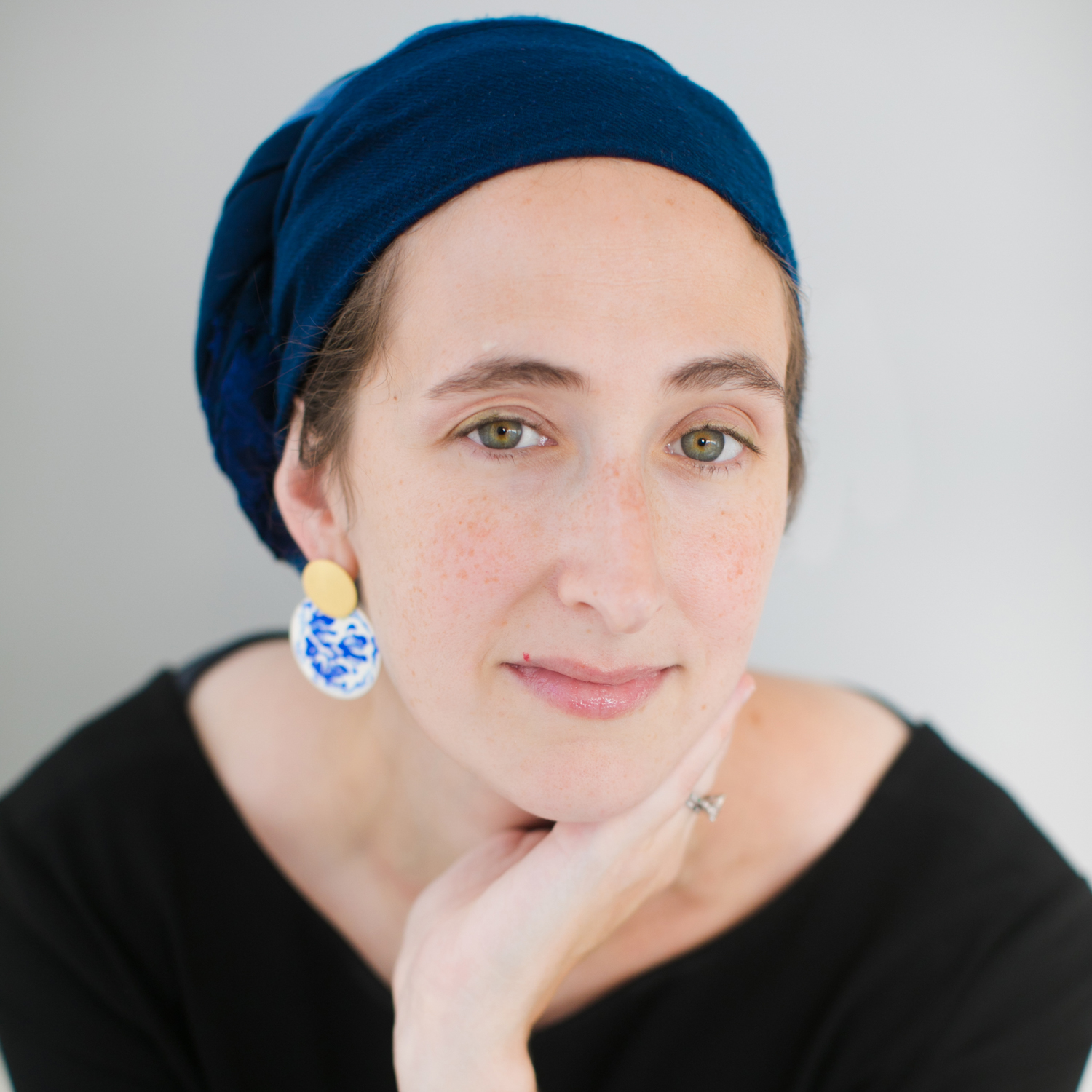
 by Lauren Deutsch


Louis Farrakhan during his Fourth of July address “The Criterion” on Revolt TV. Photo: Screenshot.
Recently, a prominent figure in the Rochester city community named Cynthia Elliott made a statement to a parent group about an important topic.
It was a passionate statement, which this person had clearly thought about, and sought to speak about from the heart. In this statement, Elliott included a reference to the “history of the Jewish nation … financing the slave ships to bring Africans into the Americas.”
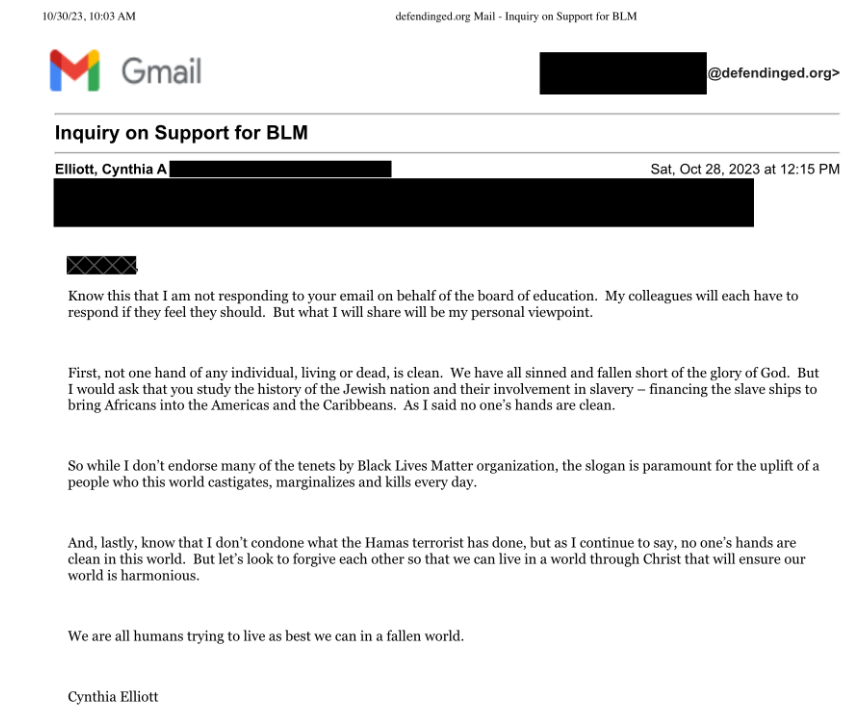
The fact that this was mentioned as an aside, with no citation, leaves me to conclude that the author believes this assertion to be both true and well known.
I decided it was worth spending some time to address this disturbing but persistent falsehood.
“The Jewish nation” did not finance the slave trade. First of all, any time you begin a sentence with a phrase like, “the Jews” (or some iteration thereof), I urge any author to proceed with caution. Collective action by a racial or ethnic group, especially one without a centralized governing body, is rare. As such, these statements often devolve into stereotypes or worse.
I won’t assert that no Jewish person was ever involved in the transatlantic slave trade. I don’t know the identities of the many people around the world who colluded to perpetrate this industrial scale violation against Black Africans, and people of African descent.
The implication of the phrase is that Jews were main, motivating financiers (because of course Jews = money) behind this historical atrocity. This is simply not true.
Horrifyingly, as with many of the modern industrial scale crimes against humanity, the perpetrators kept records.
The Dutch West India company, for example, was one of the largest companies involved in the transatlantic slave trade. Their records indicate that 18 of the original stockholders were Jewish, and estimates put the cash value of their investment as high as 1.2% of total investment. The largest single company involved in the transatlantic slave trade, the Royal African Company, despite being headquartered in London where there was a thriving Jewish community, had no Jewish investors for more than 20 years, until finally in 1691, a single Jewish financier purchased some stock.
Furthermore, to the extent that Jewish people were involved in the transatlantic slave trade, it was not only in finance, and not even disproportionately in finance. The fact that only financing is mentioned plays into the stereotype that Jews are always behind the scenes, controlling the money. While the fact that any Jews were involved in the slave trade makes my blood run cold, it can hardly be said to constitute “the Jewish nation … financing the slave ships.”
Why do people think “the Jews” financed the slave trade? Some of the chief proponents of this idea have been Louis Farrakhan and Leonard Jefferies.
The Nation of Islam, under the leadership of Farrakhan, wrote a pseudo-scholarly book entitled, The Secret Relationship Between Blacks and Jews, which is devoted to this topic. This book picks sources to show any Jews who were involved in the slave trade, and then carefully doesn’t mention the scale at which these people were involved — which was a tiny fraction of the whole.
The book leaves out mention of other groups involved in kidnapping, torturing, selling, and owning Black human beings, including indigenous groups in America, Black African leaders, and other ethnic and racial groups. I do not write this to excuse or minimize any involvement by anyone of any race in this horrific crime. My point is that this book takes one of the worst crimes in human history, and pins it on “the Jews” by virtue of the actions of a tiny minority of people involved.
This kind of collective scapegoating is never acceptable or moral. It is hardly surprising however, since Farrakhan is an outspoken antisemite. His list of public antisemitic remarks is too long to list here, but suffice it to say that “termites” is one of the nicer names he has for Jews.
Leonard Jefferies was a professor at the City College of New York, who in 1993 gave a now infamous lecture in which he asserted, among other things, “Everyone knows rich Jews helped finance the slave trade.” When Jefferies gave a version of this lecture at Harvard, and was questioned by a student regarding historical records that do not show Jewish ownership or control in the companies who engaged in enslaving Black people for profit, he replied that the investments were “secret.”
Because these allegations align with pre-existing antisemitic tropes about Jews (that Jews are secretly controlling everything), they reinforce what many people already believe. This makes them memorable, and credible to people who are exposed to them. It also means that people are inclined to accept them, regardless of the lack of evidence.
The myth of Jewish control of the slave trade is one of several that foment the divide between non-Jewish Black communities, and non-Black Jewish communities. These two communities have historically stood together in the fight for civil rights, but also experienced increasing tension as Jews became coded “white” in American society, and benefited from some programs and opportunities that excluded Black Americans (though many excluded Jews also).
Today, white supremacy is the language we use to describe unjust, unearned power. In this conception, Jews (being all powerful) must be the agents of white supremacy, even though antisemites don’t consider Jews “white.”
I’m not sure what to say to someone who wholeheartedly believes “the Jews” financed the slave trade. I don’t know if we have a shared frame of reference from which to understand each other. I do not believe this community leader wrote these words with hate. This is simply their understanding of the world. This person lives in a world where an assertion like this makes so much sense, that it doesn’t need to be proven or justified. And my main question is: how do we find healing and justice when these libels persist in our education?
Lauren Deutsch, Esq., is an attorney, activist, and Torah scholar, living in Rochester New York, with her husband and three children. Lauren worked in migrant women’s health services prior to law school, and began her legal career representing survivors of domestic violence at The Legal Aid Society of Rochester in 2010. She has worked in reproductive justice, labor justice, and currently works in disability justice as the Executive Director of a national legal services organization.