





Israeli Industry Leader on Jewish-Arab Business: It’s Almost Like There’s Peace

 by Shiryn Ghermezian



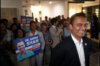
Dr. Eli Fischer. Photo: Jewish Business News.
Strong business ties between Palestinian-Arabs and Israelis makes it seem like there is harmony in the air, despite efforts by the boycott, divestment and sanctions (BDS) movement to blacklist Israeli goods, one industry leader told The Algemeiner on Thursday.
“We work a lot with the Palestinians — in the West Bank and in Gaza — for years [now],” said Dr. Eli Fischer, founder and president of Israel-based Fischer Pharmaceuticals Inc. and name behind the well-known “Dr. Fischer” brand.
The company, which has been manufacturing medical products since 1965, employs many Arabs in its factories in Bnei Brak and near the sea of Galilee. Arabs and Jews work side-by-side with “no problems,” Fischer said. “Even [during] the worst times of the Intifada they were in very good relations, the Jews and the Arabs, in our factory. Never a problem.”
“We are building bridges all the time [and] we work with the Palestinians all the time,” he said, speaking specifically about his company. “I lecture to doctors on the West Bank from time to time… everyday life we almost have peace. In the political ranks, it’s a different story.”
Activists wishing to boycott Israel have become more vocal in recent years, mainly in Europe, where some businesses have cut investments or trade with Israeli firms. A difference of opinion over BDS even prompted actress Scarlett Johansson to depart her role as spokesperson for global charity Oxfam after she shot a campaign for Israel-based company SodaStream.
Earlier this month, Israeli Prime Minister Benjamin Netanyahu said boycotters are “anti-Semites,” but Fischer doesn’t think that to be true of all of them. “I think many of them [are],” he said, “some of them may really be against Israeli policy, for example. Maybe they don’t like [us] for other reasons. But a lot is anti-Semitism.”
In regards to companies distancing themselves from Israel, Fischer said firms “may chicken out” from doing business with the county for fear of losing their Muslim clientele.
The fear pertains especially to European business owners where “I think France [is] 20 percent Muslims and in Brussels 40 percent or more,” Fischer said. “You don’t want to lose them as customers, so I’m sure that some retail chains or some businesses don’t want to show that they are doing business with Israel because they are afraid how it will affect their business.”
Nevertheless, the Palestinian Authority and Israel are still doing business with each other — and Fischer Pharmaceuticals is evidence of that.
“We export to them, we sell to them a lot [and] they know it’s from Israel,” he said. “We cooperate with them, I have many friends there and representatives in Ramallah and some other places. We sell millions there. Every year it’s more… If it’s good products, why not buy it.”
Fischer said he hopes others follow suit and help Israel’s economy flourish. As his company works to push its products in the U.S. market, he said threats of a boycott should not “scare” firms from missing out on the excellence Israel’s industries have to offer.
“Maybe we have to make a product to strengthen their heart a little against being afraid,” he added.


