

It’s Time to End Qatar’s Influence in America
Error: Contact form not found.

 by Daniel Rosen

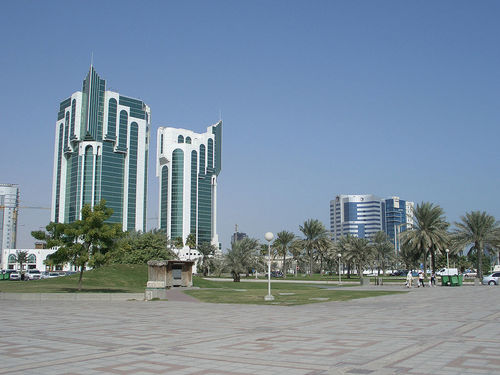
Doha, Qatar. Photo: Wikimedia Commons.
Qataris are so wealthy that they allegedly burn 500 riyal ($137) notes for kindling. If this sounds unlikely, it is only because of Qatar’s hot climate. After all, the one thing that Qatar’s autocratic rulers do well is burn money. But while its hosting of the 2022 World Cup is merely nonsensical, Qatar also spends vast resources to influence US opinion and foreign policy, despite simultaneously providing support to America’s enemies.
Whereas former President Barack Obama’s aim of improving relations with the Muslim world may have superseded concerns about the duplicity of Qatar, the Trump administration will implement a different vision. Revising US relations with Qatar should be at the top of its agenda.
President Trump has said that ISIS is one of the United States’ primary security threats. Yet, Qatar has provided clandestine financial and logistical support to ISIS in recent years, as even Hillary Clinton acknowledged in a leaked email in August 2014. Moreover, Qatar funds Sunni groups linked to Al Qaeda, and is the main financial backer of Hamas.
While this should have destroyed Qatari-US relations, the Arab state continues to host a large number of US troops on its soil, which protect it from Gulf rivals, domestic dissidents and Iran.
Meanwhile, the Qatari-funded Al Jazeera network regularly chastises the United States for human rights abuses. This hypocrisy is very rich, since Qatar abuses migrant workers, flogs dissidents and says that women’s testimony counts only half as much as men’s. In addition, Qatar’s anti-American, anti-Israel and pro-Muslim Brotherhood themes run consistently through Al Jazeera broadcasting.
Equally outrageous are Qatar’s increasingly successful attempts to lure American think tanks and universities into its sphere of influence. Through generous grants, prominent institutions such as the Brookings Institution and Georgetown University have fallen prey to the sway of Qatar. This led the New York Times to rightly conclude in September 2014 that Qatar is able to sway United States’ policies towards its interests.
This duplicity will only end when the US forces Qatar to come clean. There is no strategic advantage for US troops to be based in Qatar instead of on the soil of more genuine Gulf allies. Academic institutions are, of course, free to make their own decisions. But exposing the regressive and harmful policies of Qatar will make it more difficult for them to fall for the bait.
The United States deserves better than a deceitful ally that supports our enemies and fuels anti-Western sentiment. While only the Qatari people can determine how long this autocratic regime will be allowed to squander their resources, the new US government should make clear to Qatar that business as usual is over.