







Argentina Rabbi Recovers After Antisemitic Attack
Error: Contact form not found.

 by JNS.org

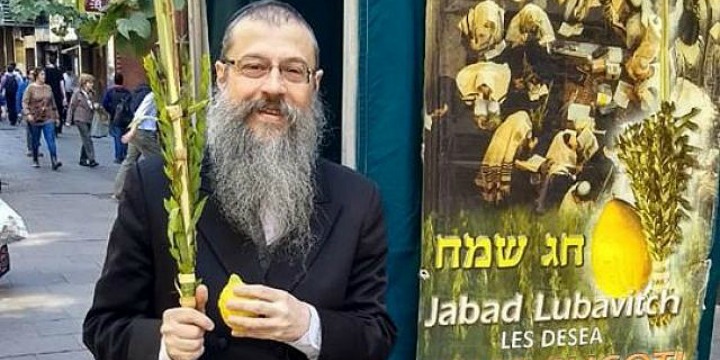
Rabbi Shlomo Tawil, co-director of the Chabad House in Rosario, Argentina. Photo: Facebook.
JNS.org – Rabbi Shlomo Tawil, director of Chabad-Lubavitch in Rosario, Argentina, was recovering at home after being assaulted by three youths on Sunday night during the holiday of Shavuot.
According to neighbors who came to the rabbi’s aid, the attackers shouted antisemitic insults at the rabbi, and began hitting him in the head and abdomen, reported Chabad.org. They then threw him to the floor, kicked him and trampled his hat before fleeing.
The attack drew widespread criticism from around Argentina as the number and violence of antisemitic incidents there is on the rise. Ten days ago, a swastika was spray-painted on a Jewish-owned hair salon in Buenos Aires. Neo-Nazi pamphlets were also distributed in the area near the salon. In another incident, a cantor was attacked while returning home from Shabbat services.
Rosario, which is located at the heart Argentina’s industrial corridor, has the country’s third largest Jewish community.
Argentina’s Jewish population of about 180,500 is the largest in Latin America and the third largest in the Americas after the United States and Canada.


