



Censoring the Language of Sexual Abuse
Error: Contact form not found.

 by Eliyahu Federman

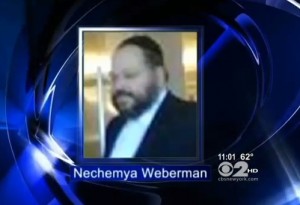
A report on Nechemya Weberman on CBS. Photo: Screenshot.
Numerous Orthodox Jewish websites censor the word “sexual” in the context of discussing sexual abuse. Such censorship sends the message to young people that body parts, sexuality and sexual abuse are so shameful, that adults can’t even mention them in public.
By refraining from using words such as “sex” and “sexual,” Orthodox Jewish websites are unwittingly sending the message that sexual abuse is not something that should be discussed. This only perpetuates the existing shame, secrecy, stigma and fear surrounding the issue of sexual abuse.
Parents of pre-adolescent children certainly have a right to determine the age-appropriate language when discussing sexual abuse with their children, but that is no excuse for websites censoring terms necessary to define abuse.
If children are old enough to be on the Internet, they should be mature enough to hear the word “sex” or “sexual” in the context of discussing abuse.
RAINN (Rape, Abuse & Incest National Network), the nation’s largest anti-sexual violence organization, recommends “[t]alking openly and directly about sexuality” in order to teach “children that it is okay to talk to you when they have questions.” In a sexual abuse awareness seminar held in Crown Heights, experts explained that a lack of education makes adolescents more vulnerable to abuse.
The lack of discussion around the human body, intimacy and sexual issues, in essence, robs children of the ability to speak because they are not provided with the proper language.
Maintaining Halachic standards of Tzniut (modesty) does not conflict with the necessity of discussing sexual abuse openly and candidly. Tzniut concerns laws related to modesty of both dress and behavior—when dealing with normal, healthy interactions—not when educating the public on the dangers of sexual abuse.
The Talmud relays a story of a student that hid under his teacher’s bed to learn how his teacher was being intimate with his wife. The student commented on the inappropriate language of his teacher to which his teacher exclaimed, “Get out! It’s not proper (for you to be here)!” To which the student replied, “It is Torah—and study it I must.”
In contemporary society, the student might be accused of voyeurism—but this story illustrates the need to rise above the taboos of discussing sexuality. There is nothing shameful, sinful or obscene about having candid conversations about the subject – particularly in the context of educating the public on sexual abuse.
When the language center is shut down, the abuse survivor is less likely to speak, because they are fearful of voicing what is perceived as shameful, and so, sometimes, they can’t even articulate their trauma.
Censoring the use of accurate language around sexual abuse perpetuates the notion that such discussions should be secret and such language is shameful. Living in secrecy is painful and damaging to an abuse survivor. We need to empower potential victims to talk openly and candidly about their experience.
This column was originally published by the Jewish Press.