






Netanyahu on Iran: Worth Paying Attention When Arabs and Israelis Speak in One Voice (VIDEO)
Error: Contact form not found.

 by Joshua Levitt


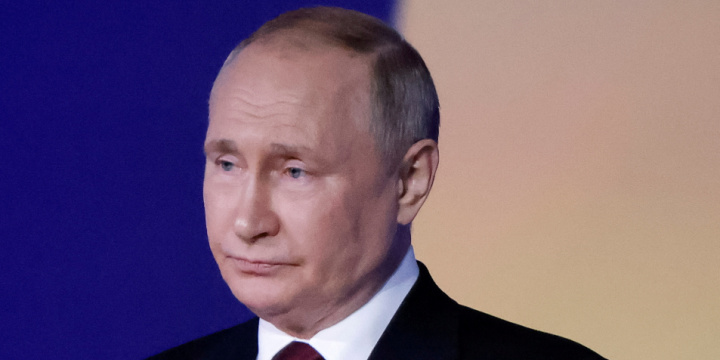
Israeli Prime Minister Benjamin Netanyahu speaking on CBS's 'Face the Nation,' on November 10, 2013. Photo: Screenshot / CBS.
Israeli Prime Minister Benjamin Netanyahu told CBS’s ‘Face the Nation’ on Sunday that the world should listen to the chorus of voices who oppose the deal currently under discussion between Iran and world powers over the country’s nuclear program.
“You know when you have the Arabs and Israelis speaking in one voice, it doesn’t happen very often, I think it is worth paying attention to,” Netanyahu said.
As a conclusion to the current round of talks drew near, Netanyahu praised world leaders earlier on Sunday for not rushing to achieve a bad deal.
With 10 days to the next meeting between Iran and the P5+1 nations on November 20, Netanyahu told ‘Face the Nation’ that he was confident his concerns have been heard by the negotiators, but he wasn’t sure if his advice will be heeded.
“I am sure they were heard I am not sure of they were internalized,” Netanyahu said.
The disagreement between Western powers and its regional allies is regarding if Iran should be allowed to retain its nuclear capacity. Iran is asking to be allowed to keep electricity generation capabilities, but others have warned that this would leave it weeks away from being able to generate enough high-grade uranium to become a nuclear power. Netanyahu has pointed out that Iran’s nuclear infrastructure, including its many centrifuges, have no use for conventional energy production, and, therefore can only be assumed to be to provide Iran with a means for going nuclear.
According to The Telegraph, Iran has agreed to a six-month suspension of its nuclear program in return for a U.S. commitment to ease “economic sanctions, possibly by releasing some Iranian foreign exchange reserves currently held in frozen accounts” and ease “some restrictions on Iran’s petrochemical, motor and precious metals industries.”
In that time period, Iran would place a moratorium on enriching uranium to 20 percent and will convert its existing stockpile into harmless uranium oxide. Iran would be able to continue enrichment to 3.5% purity necessary for nuclear power plants — but would agree to limit the number of centrifuges running for this purpose. Iran would also agree not to activate its plutonium reactor at Arak, which could provide an alternative route to a nuclear weapon.
Watch Prime Minister Netanyahu on CBS’s ‘Face the Nation’ below.