






World’s Largest Underground Hospital Opens in Haifa (VIDEO)
Error: Contact form not found.

 by News Editor

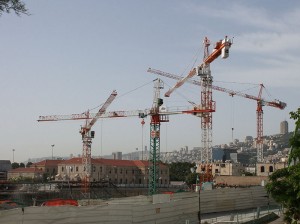
Construction at Rambam Medical Center in Haifa. Photo: wiki commons.
Times of Israel – The world’s largest and most advanced “fortified hospital” was unveiled this week at Rambam Medical Center in Haifa. The 2,000 bed underground hospital is designed to keep patients and staff safe dozens of meters below ground even if missiles and rockets are falling above ground – in case the city ever faces the kind of attack it did during the Second Lebanon War in 2006. It is also designed to keep out chemical or biological weapons.
Missile attacks by Hezbollah and Hamas were the impetus behind the construction of the Sammy Ofer Northern Regional Underground Emergency Hospital at the campus of Rambam. Over the past decade, missile attacks have devastated both the far north and south of Israel. During the war in 2006, and during “hot” periods over the past decade in southern Israel when Hamas terrorists have dispatched dozens of weapons a day against targets in the Negev, both Rambam and Barzilai Hospital in Ashkelon (where a similar, but smaller underground facility is under construction) were forced to move essential operations underground.


