





Iranian Official: Tehran’s Support for ‘Resistance Groups’ to Remain Steadfast
Error: Contact form not found.

 by Algemeiner Staff

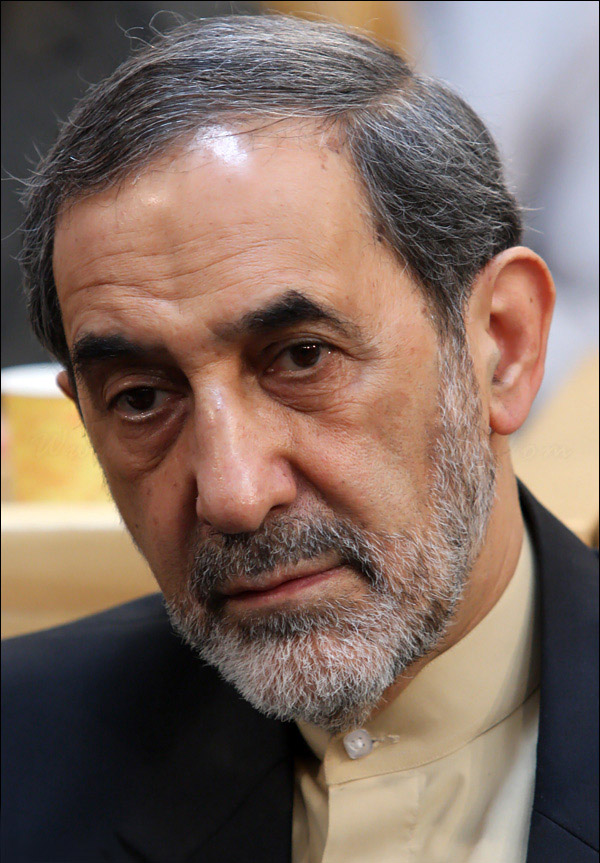
Iranian official Ali Akbar Velayati. Photo: Sayyed Shahab-o-din Vajedi via Wikimedia Commons.
Tehran’s backing of “resistance groups” in the Middle East will remain steadfast, a source close to Iran’s supreme leader vowed on Sunday, the regime’s semi-official news agency Fars reported.
According to the report, Ali Akbar Velayati, Ayatollah Ali Khamenei’s top adviser for international affairs, made this statement during a press conference after a meeting in the capital with UN Under-Secretary General for Humanitarian Affairs and Emergency Relief Coordinator Stephen O’Brien.
This echoed similar sentiments recently expressed by representatives of the Islamic Republic. On Friday, as The Algemeiner reported, a high-ranking Iranian diplomat, stationed at the Islamic Republic’s embassy in Beirut, told Hamas’ envoy to Lebanon that Tehran would continue to support “the Palestinian nation, the resistance groups and Palestine’s Intifada against Israel’s occupation.”
As reported in The Algemeiner earlier this year, Iran has been making serious attempts to repair its relationship with Hamas. Ties between Tehran and the terrorist organization that rules the Gaza Strip soured following the outbreak of the Syrian civil war in 2011, when they found themselves on opposite sides of the conflict and Hamas was forced to abandon its Damascus command post.
Qasem Soleimani, the commander of the Iranian Revolutionary Guard Corps’ Quds force, was quoted as saying in March, “The world has changed since the Arab Spring. Neither Iran nor Hamas is as it was before. But Hamas and Iran have the desire for a strong uprising in Palestine and confrontation against Israeli aggression. It is imperative to create a new basis for our relations.”
One of the main criticisms of the nuclear agreement reached between six world powers and Iran last year was that Tehran could use the financial windfall from international sanctions relief — estimated by some to be as high as $150 billion — to bolster its support for its regional proxies.
When Iranian regime officials speak of “resistance groups,” they are generally referring to Tehran-backed anti-Western and anti-Israel terrorist organizations, such as Hamas and Hezbollah. The term is also used by Iran to describe the Houthis in Yemen, who are receiving Iranian support as they battle for control of that southern Arabian Peninsula country against the Saudi-backed government of Yemeni President Abd Rabbuh Mansur Hadi.


