




Why the Future Looks Bright for ‘Special’ and ‘Regular’ IDF Soldiers Alike
Error: Contact form not found.

 by Oren Hefetz / JNS.org

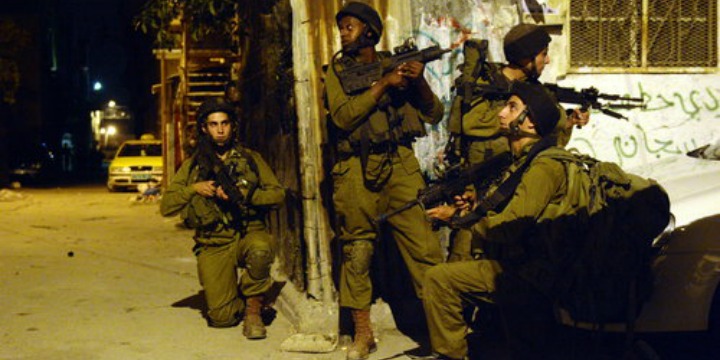
IDF soldiers (Illustrative). Photo: IDF.
JNS.org – My name is Oren. I am 41 years old, married to Hila and a father of three. I’ve made a career serving in the Israel Defense Forces (IDF) as a pilot. For 17 years, I flew various types of helicopters assisting Israel’s ground forces, making decisions during combat, rescuing the wounded, and helping families and friends during their darkest times. Throughout my military career, I have held numerous command positions.
One year ago, I was chosen as the new deputy commander at the Palmachim Air Force Base, where some 4,500 people live and work. During my two-week orientation and in between managing budgets, projects and contractors, one morning the base’s outgoing commander, Lt. Col. Moti, informed me that we were going to visit a special place.
“Special?” I asked. “You’ll see,” was all he would answer.
We arrived at a small compound, where a group of soldiers with disabilities of varying degrees were stationed — all of whom had dreamed of serving in the IDF — just like everyone else in the country. It’s crucial to understand that serving in the army in our small country is one of life’s milestones; aside from maturing the person, the experience helps transition young people into adulthood.
For many hours that day, I spoke with these young soldiers, understanding that each one of them could have easily been classified “exempt from military service,” and I learned from all of them the unique and very personal journey that had brought them here to attain the status as an enlisted member of the IDF. There were dozens of wonderful stories.
In that moment I understood what I was looking at — boys and girls, no different from countless others who, for all of their lives, had wanted to just be like their friends.
After a few weeks, I witnessed something even more extraordinary unfolding: While the soldiers with disabilities had fulfilled their own dreams by working alongside regular soldiers, those who really got the added value were the regular soldiers.
Take, for example, the female soldier who enlisted at 18 and serves as a technician, or in an educational role, or as a dental assistant, and works alongside a soldier with special needs. These soldiers have doubled their responsibility by having the added value of caring for others.
Throughout my own training process, when physical conditions were put to the test, the commanders always conveyed a clear message: “You will not succeed alone. Only with teamwork will you succeed. Take care of your peers who are going through difficulties because they’ll save you next time.”
When I now ask soldiers what it is like serving alongside someone with disabilities, they look at me strangely — almost as if they did not understand why I was asking them this ridiculous question. “He is like our brother,” they often answer, “this place would not be the same without him.”
There’s something about this connection that gives me goosebumps every time I think of it. The future looks bright. After all, do you think that a soldier who has served with someone with disabilities and later goes on to graduate with a degree in architecture will ever design a swimming pool without adding an accessible component for people with disabilities? Or that a future manager would ever deny a job to a candidate with a disability? Not a chance.
The Special in Uniform program — generously funded by the Jewish National Fund-USA — helps hundreds of young men and women with disabilities enlist and serve in the IDF, just like every other Israeli citizen. This, of course, helps those very young men and women — but just as much, it changes enlistment and life forever for the many thousands of “regular” soldiers and the officers that they serve with. That is the power of this program, and the great social change that it has brought about.
IDF pilot Maj. Oren Hefetz is contributing this column in advance of February, which is recognized as Jewish Disability Awareness and Inclusion Month (JDAIM). Jewish National Fund states that it is a proud supporter of making sure that people with special needs and disabilities enjoy full inclusion in Israeli society.


