







Iran Eyes Private Oil Exports to Help Beat US Sanctions
Error: Contact form not found.

 by Reuters and Algemeiner Staff


Iranian President Hasan Rouhani. Photo: Reuters/Arif Hudaverdi Yaman.
Iran will allow private companies to export crude oil, part of a strategy to counter US sanctions, and is urging fellow OPEC members, including regional rival Saudi Arabia, not to break output agreements, state media and officials said on Sunday.
Iran is looking at ways to keep exporting oil as well as other measures to counter sanctions after the United States told allies to cut all imports of Iranian oil from November.
“Iranian crude oil will be offered on the bourse and the private sector can export it in a transparent way,” First Vice President Eshaq Jahangiri told an economic event in Tehran broadcast live on state television.
“We want to defeat America’s efforts … to stop Iran‘s oil exports,” he said.
“Oil is already being offered on the bourse, about 60,000 barrels per day, but that has been only for exports of oil products,” Jahangiri said. Iran has an oil and petrochemicals bourse as part of its mercantile exchange.
Meanwhile, Iranian Oil Minister Bijan Zanganeh sent a letter to OPEC asking its members to adhere to the group’s agreement reached last month to collectively raise output and “refrain from any unilateral measures” that could undermine the unity of the producer group.
Referring to reports that Saudi Arabia may increase its oil exports to replace Iranian oil in world markets, Jahangiri said: “Anyone trying to take away Iran‘s oil market (share) would be committing great treachery against Iran and will one day pay for it.”
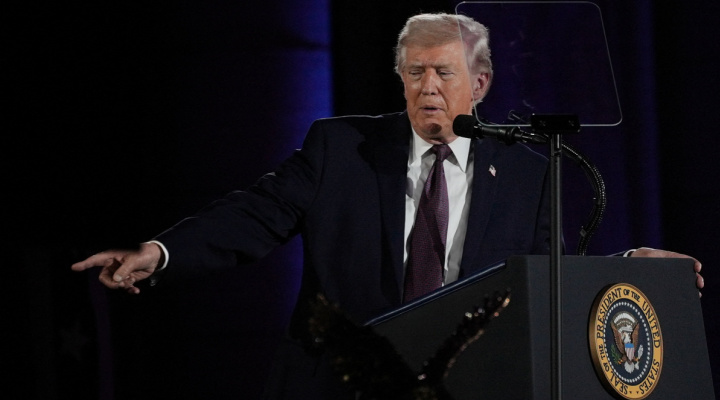
The leader of Saudi Arabia promised US President Donald Trump that he can raise oil production if needed and the country has 2 million barrels per day of spare capacity, the White House said on Saturday.
The Organization of the Petroleum Exporting Countries agreed with Russia and other oil-producing allies on June 23 to raise output from July, with Saudi Arabia pledging a “measurable” supply boost, but giving no specific numbers.
“Any increase in the production by any member country beyond commitments stipulated in OPEC’s decisions … would constitute breach of the agreement,” Zanganeh wrote in his letter, seen by Reuters and also reported by state media on Sunday.
Iran had been pushing hard for oil producers to hold output steady as US sanctions are expected to hit its exports.
But Saudi Arabia, OPEC’s biggest producer, was keen to raise output to meet calls from Trump and major consumers such as India and China to help cool oil prices and avoid shortages, according to Saudi officials including Energy Minister Khalid al-Falih.