






Israel Sees Slowdown in Long-Term Iranian Deployments in Syria
Error: Contact form not found.

 by Reuters and Algemeiner Staff

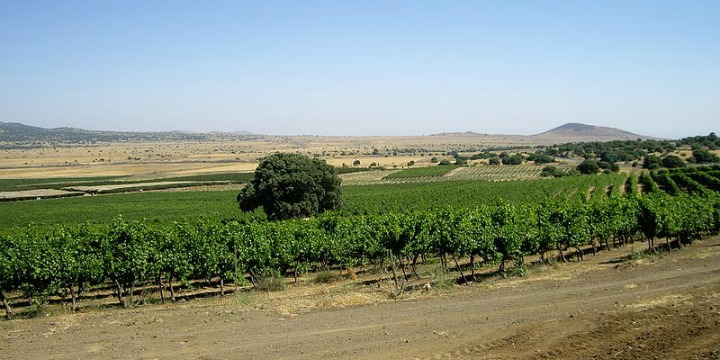
The Israel-Syria border area. Photo: DYKT Mohigan via Wikimedia Commons.
Israel‘s defense minister described Iran on Friday as having slowed down its long-term force deployment in Syria, attributing this to Israeli military intervention as well as an economic crisis gripping Tehran as US sanctions are restored.
Israel, which monitors neighboring Syria intensively, has long alleged that Iran came to assist the Damascus government in Syria’s civil war in part to set up a permanent garrison there, including advanced missile factories and air and naval bases.
The Israelis have carried out scores of air strikes in Syria targeting suspected arms and troop movements by Iran and the Lebanese Hezbollah guerrillas it sponsors. The Israeli actions have been mostly ignored by Russia, Damascus’ big-power backer.
“The Iranians have reduced the scale of their activity in Syria,” Defense Minister Avigdor Lieberman said in an interview published by Israel‘s top-selling Yedioth Ahronoth newspaper.
He said there was “no activity, at this stage,” in Iranian efforts to build missile production factories on Syrian soil.
“Nor have they built a port in Syria, and they have no airport there, but they have not abandoned the idea. They are continuing to negotiate with the Assad government on the creation of garrison outposts in Syria,” Lieberman added.
“The main reason for why this has stopped is the result of our daily, hard work in Syria.”
Iran, Israel‘s arch-enemy in the Middle East, has been a core supporter of Syrian President Bashar al-Assad throughout the 7-year war, sending military advisers as well as materiel and regional Shi’ite militias that it backs.
This week, Iranian Defense Minister Amir Hatami visited Damascus and said the Islamic Republic would maintain its presence in Syria. The countries had signed a pact for defense cooperation, including to restore Syria’s military industries.
Yedioth asked Lieberman whether Iran’s conduct in Syria was linked to its economic crisis, precipitated by the restoration of US sanctions after President Donald Trump exited world powers’ 2015 nuclear deal with Tehran.
“Obviously there is heavy economic pressure on them. The budget for Iranian forces in the Middle East was $2 billion, and even today less money is going to Syria and Hezbollah,” he said.
“I believe that when the second stage of the American economic sanctions starts, on November 4, the situation will get worse,” he added, predicting that reduced funding for Hezbollah meant it “will not be able to exist in its current format.”


