







British Legislator Says Johnson Will Withdraw UK From Iran Nuclear Deal
Error: Contact form not found.

 by JNS.org

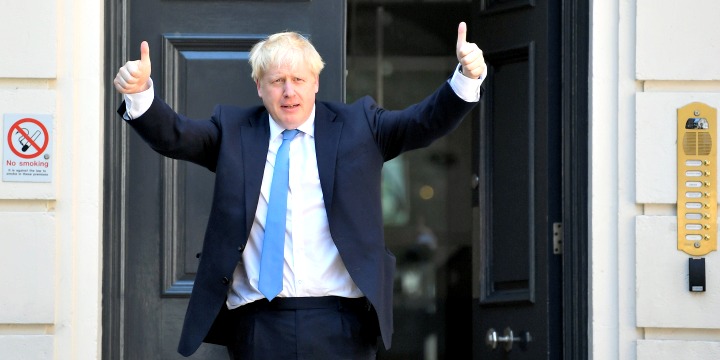
British PM Boris Johnson at the London headquarters of The Conservative Party. Photo: Reuters/Toby Melville.
JNS.org – British legislator Matthew Offord said on Tuesday that new British Prime Minister Boris Johnson will withdraw the United Kingdom from the 2015 Iran nuclear deal, which the United States left in May 2018, reimposing sanctions lifted under it alongside enacting new financial penalties against the regime.
“We’ve now got to face that the nuclear deal is all but dead,” Offord told i24 News after Johnson won the Conservative Party leadership race, which also made him prime minister with his party in the majority.
However, Offord said that a new agreement “can be a way forward by looking at what we can provide the Iranian regime without them losing face, but ensuring that they ratchet down their actions.”
Late last week, Iran seized two UK-owned oil tankers amid ongoing tensions in the region.
Earlier this month, Johnson warned Iran to “cease this madness” over violating the 2015 Iran nuclear deal, adding that he’s “prepared” to reimpose sanctions on the regime.


