


A Society Is Measured By Its Capacity for Forgiveness
Error: Contact form not found.

 by Reuven Rivlin / JNS.org

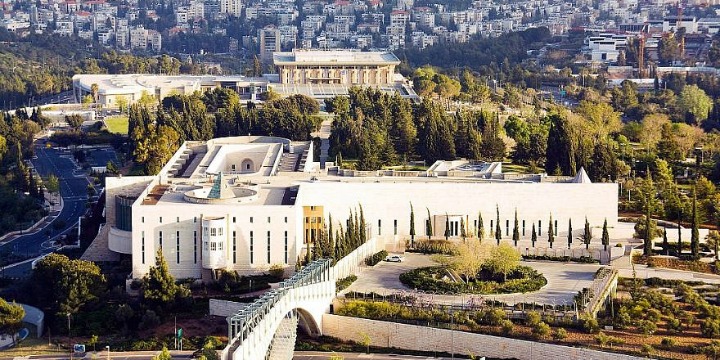
The Israeli Supreme Court in Jerusalem. Photo: Wikimedia Commons.
JNS.org – As president of Israel, many requests for clemency are placed before me. Every request is a world unto itself, but some are unusual. Not long ago, I signed a clemency request and erased the criminal record of a young man who had been convicted for drug and property crimes, and for making threats. His first police file was opened at age 13, and by age 15 he was in prison. It was there, in prison, that a change took place.
After his release, he completed a pre-military preparatory program, enlisted in the army, and finished basic training in the Education Corps as the outstanding soldier in his company. After regular basic training, where he also excelled, he joined one of the top infantry patrol units and went on to serve in command roles.
This case illustrates the complexity of doing what is right and upholding the law. When the law is supplemented by personal stories, names and faces of victims and perpetrators, we discover that reality is made up of many thin layers that cannot always be distinguished at first glance.
Clemency involves reexamining our justified decisions, allowing things to be seen from a different angle and giving those who want to change an opportunity to do so. In effect, forgiveness and clemency are two sides of the same coin — and the very essence of humanity. We, as a society, are measured by our ability to doubt whether or not we are in the right, and to forgive and show mercy to those who need and deserve it
The authority to give clemency that the law grants the Israeli president puts these ideas into concrete form. When Israel marked its 70th anniversary, former Justice Minister Ayelet Shaked and I initiated a special framework for clemency, under which 590 requests to shorten sentences, reduce fines, and erase criminal records for soldiers and national service members were submitted. I wanted to send the message that it was important to the people of Israel that a just society takes responsibility not only for its successes but also for those who are marginalized, the people who deserve punishment and now might need mercy most of all.
Experience teaches us that many minors and young people who have their criminal records wiped out leave such behavior behind and turn into productive citizens. When I hear about cases like these, my heart swells. They are the ones who remind us of the huge power of clemency, and its importance to the lives of those citizens of Israel who might need it.
As we welcomed in a new year, we prayed, “Our Father, Our King! Favor us and answer us, for we have no accomplishments. Deal charitably and kindly with us.”
Reuven Rivlin is the president of Israel. This article first appeared in Israel Hayom.