






Gulf States Should Consider US Ties When Dealing With China – Official
Error: Contact form not found.

 by Reuters and Algemeiner Staff


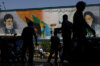
People wearing face masks walk inside a subway station in Shanghai, China, amid the coronavirus pandemic, Feb. 17, 2020. Photo: Reuters / Aly Song.
Gulf Arab states should consider their relationship with the United States when dealing with China, a US official said on Thursday, as tensions flare between Washington and Beijing in the wake of the coronavirus pandemic.
Gulf Arab states have developed close ties with Beijing despite their longstanding relationship with key ally the United States as they seek capital and technology to diversify their economies away from hydrocarbon revenues.
“These (Gulf) states have to weigh the value of their partnership with the United States,” said US Assistant Secretary of State for Near Eastern Affairs David Schenker.
“We want our partner nations to do due diligence,” he told Reuters by phone.
President Donald Trump has blamed Beijing for the coronavirus pandemic and his administration is weighing punitive actions against China over its early handling of the outbreak as economic damage mounts.
Several Gulf officials have praised China’s efforts to combat the virus, which originated in the Chinese city of Wuhan.
Beijing has recently stepped up its Middle East diplomacy efforts. It has sent medical experts and supplies to countries around the world, including several Gulf states, Egypt and Israel, to help combat the disease.
The State Department’s top diplomat for the Middle East said countries in the region should be wary of Chinese aid, which he said was often “predatory.”
Schenker also said there was concern about the participation of Chinese firm Huawei in building part of the 5G infrastructure in the Gulf, which hosts the US Navy’s Fifth Fleet and the largest American military base in the region.
That would make it “difficult” for American and Gulf forces to communicate, he said.
Huawei has long been a target of the US administration, which says the firm could be exploited by Beijing. China and Huawei have repeatedly denied the accusation.
The US was looking at providing countries with alternatives to dealing with China and their companies, Schenker said, though admitted it was “behind on 5G.” No US firm makes 5G technology.