




US Lawmakers Move to Combat Iran’s Hostage-Taking Following Biden Prisoner Swap Deal With Regime

 by Andrew Bernard



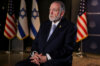
Iranian President Ebrahim Raisi speaks during the official farewell ceremony for his trip to New York, at Mehrabad Airport in Tehran, Iran, September 17, 2023. Photo: Iran’s Presidency/WANA (West Asia News Agency)/Handout via REUTERS
US lawmakers on Monday introduced bipartisan legislation that would toughen sanctions on Iran and “other hostile governments and non-state actors” for taking US nationals hostage in the wake of a controversial deal brokered by the Biden administration to secure the release of five American citizens held by the Iranian regime.
Reps. Joe Wilson (R-SC) and Jared Moskowitz (D-FL) co-sponsored the No Paydays for Hostage-Takers Act, which among other provisions calls for greater oversight on how Tehran will spend $6 billion in funds that were unfrozen to help reach a prisoner swap deal with Washington. The bill also empowers the US president to deny visas to Iranian officials and anyone else seeking admission to the United Nations in New York if they have been sanctioned for terrorism or other activities deemed a threat to US national security interests.
“The Iranian regime continues to be the world’s largest state sponsor of terrorism,” Wilson said in a statement. “This bill takes action, ensuring terrorists who take American citizens hostage are punished for their crimes, and not rewarded with financial incentives. It ensures that the oppressors of freedom in Iran do not get to visit the United States to enjoy the liberties here that they deprive their citizens of at home in Iran. Mass murderer and terrorist [Iranian President] Ebrahim Raisi hates the United States, pledges death to America, yet applies and is granted to travel to New York annually for the United Nations. This hypocrisy is unacceptable.”
Last month, the Biden administration reached a deal with Iran to transfer $6 billion in frozen Iranian funds from South Korea in exchange for the release of five American citizens held in Iranian prisons. The deal also included the release of five Iranians held in the United States.
The administration has claimed the release of the money does not amount to “sanctions relief” despite the transfer requiring a sanctions waiver, insisting that the funds now held in a Qatari account can only be used for humanitarian purposes. Iranian President Ebrahim Raisi denied that claim in a recent interview with NBC, saying that Iran will spend the money “wherever we need it.”
The new legislation would require the US president to submit a twice-yearly report to multiple congressional committees for the next six years to confirm that Iran has, in fact, used the money for humanitarian purposes.


