







Resilient Alliances: A Blueprint for Black-Jewish Collaboration in 2025 and Beyond
Error: Contact form not found.
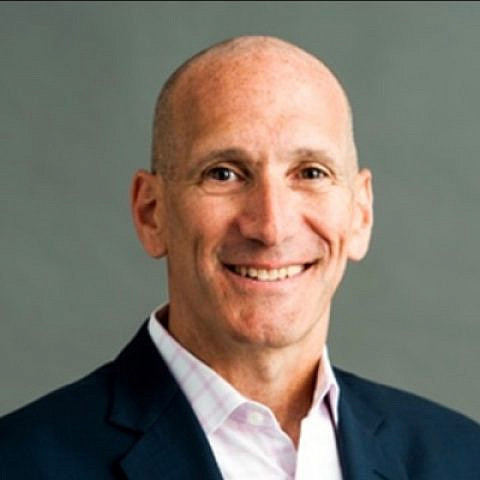
 by Steven Rosenberg


American Jewish Congress (AJC) Rabbi Joachim Prinz and Southern Christian Leadership Conference (SCLC) leader Martin Luther King Jr. — as well as other civil rights leaders, including a young John Lewis — meeting with US President John F. Kennedy in the Oval Office of the White House following the civil rights march on Washington DC, on Aug. 28, 1963. Photo: Library of Congress via Reuters Connect.
History shows that when two resilient communities join forces, they can achieve transformative change. The Black and Jewish communities have long been examples of this, often standing together in the face of oppression, from the Civil Rights Movement to combating prejudice in all its forms. Today, both communities face distinct yet intersecting challenges: rising antisemitism, systemic racism, and an increasingly polarized society.
In 2025, the potential for a renewed Black-Jewish alliance offers hope not just for these two communities but for a society seeking unity in a fractured world. To move forward, however, requires fresh thinking, bold actions, and a clear commitment to understanding one another.
A Shared History of Resilience
Resilience is central to both communities, shaped by their histories of survival and triumph over injustice. Black Americans have built strength through their rich traditions, creating art, music, and activism that inspire hope and drive change. Jewish Americans, similarly, have drawn resilience from tight-knit communities, education, and the ability to rebuild in the face of persecution.
During the Civil Rights Movement, these shared values fostered a partnership rooted in mutual recognition of injustice. Figures like Martin Luther King, Jr., and Rabbi Abraham Joshua Heschel embodied this solidarity, showing what was possible when two communities worked together for justice.
Yet the world has changed since those days, and the challenges of 2025 require new strategies that acknowledge history while addressing modern complexities.
The Need for Honest Conversations
Rebuilding this alliance begins with honest conversations about the factors that have caused divisions. Tensions surrounding issues like Israel, antisemitism in public discourse, and racism have sometimes strained relationships between the two communities. These challenges demand empathy, not avoidance.
Leaders from both communities must listen to one another with openness, recognizing that while their experiences differ, their goals for justice often align. Such dialogue should be rooted in respect and a shared commitment to confronting hate in all its forms.
Disagreements are inevitable, but they don’t have to divide. By addressing sensitive topics directly, the partnership can grow stronger, grounded in mutual understanding.
Actionable Paths to Collaboration
To move beyond symbolism, Black and Jewish communities must translate solidarity into action. Here are three innovative ways to collaborate in 2025:
- Education as Empowerment
Both communities have experienced erasure and misrepresentation in education. Collaborative programs can ensure that schools teach accurate histories of both Black and Jewish struggles, emphasizing moments of solidarity. Joint curricula could feature stories from the Civil Rights Movement, Jewish resistance during the Holocaust, and modern examples of allyship.
Beyond classrooms, community workshops and digital archives could preserve and share these stories. For example, an interactive online platform could highlight oral histories from Black and Jewish voices, showcasing resilience and the impact of working together.
- Cultural Collaborations
Art and storytelling have always been powerful tools for change. Black and Jewish creators can collaborate on projects that explore shared themes of justice, resilience, and identity. Films, music festivals, and public art installations could celebrate the unique contributions of both communities while fostering deeper connections.
Imagine a documentary that parallels the Civil Rights Movement with Jewish advocacy for Soviet Jewry or a music festival combining gospel, hip-hop, and Jewish folk traditions. These initiatives can inspire broader audiences while reinforcing the shared humanity of the two groups.
- Advocacy Against Hate
Both communities face rising hate crimes and online harassment. Advocacy coalitions could work together to push for stronger hate crime laws, hold tech companies accountable for combating online hate, and educate the public about the dangers of discrimination.
A joint task force could develop tools to identify and counter hate speech online, providing resources for users to challenge prejudice. By combining their influence, Black and Jewish leaders could drive systemic change, creating safer spaces both online and offline.
A Partnership for the Future
The challenges of 2025 demand a partnership that is proactive, not reactive. This renewed alliance must be built on trust, driven by shared values, and focused on practical outcomes. It must go beyond addressing immediate crises to create a lasting framework for collaboration.
True partnership doesn’t require uniformity; it requires respect. The Black-Jewish alliance of the Civil Rights era was powerful, but its success relied heavily on individual relationships. Today, the opportunity exists to create something more systemic and enduring—an alliance that involves grassroots organizers, educators, artists, and everyday people.
In a world that often feels divided, a renewed Black-Jewish partnership offers hope. By standing together, these communities can challenge hate, amplify their shared resilience, and inspire broader movements for justice and equality.
This is not just a call to action for the Black and Jewish communities but for anyone who believes in the power of unity to drive change. By collaborating in new and meaningful ways, these two resilient groups can lead the way in transforming adversity into progress — not just for themselves, but for society as a whole.
Steven Rosenberg is the Principal of the Team GSD and the author of the book, Make Bold Things Happen: Inspirational Stories From Sports, Business And Life


