






Poll: Support for Iran Deal Plummets to Lowest Level Yet
Error: Contact form not found.

 by Eliezer Sherman

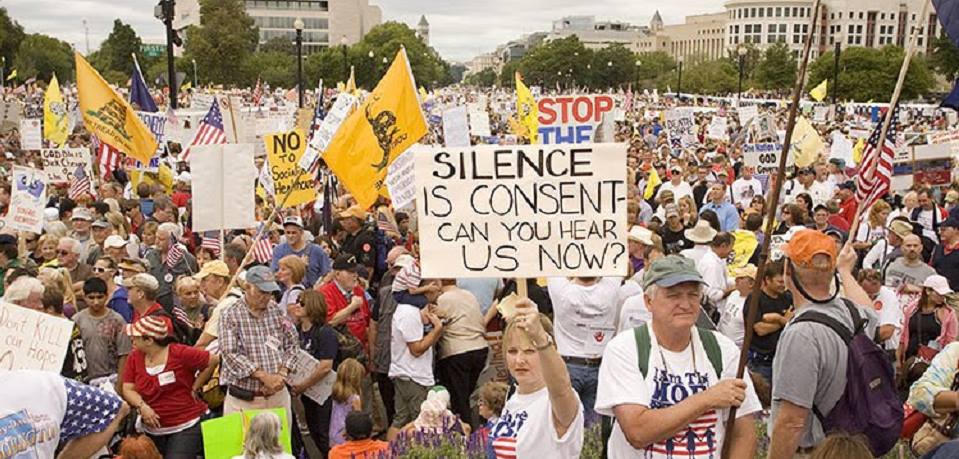
A rally against the nuclear deal. Photo: Facebook.
American support for the nuclear deal between six world powers led by the U.S. and Iran has dropped to an incredible 21 percent low, staining what the Obama administration hoped would be its crowning foreign policy achievement in the second term.
According to Pew Research Center, nearly half of Americans, or 49 percent, disapprove of the deal meant to curb Iran’s nuclear program in exchange for sanctions relief, up from 45% a week after President Obama announced the landmark accord in July.
And the share of Americans who support it has dropped from about a third, 33%, to just over a fifth, or 21%. Additionally, the percentage of Americans who said they were unsure rose from 22% in July to 30% in September.
Not surprisingly, Republicans are far more likely than Democrats to disapprove of the deal, though support was down among Democrats as well, dropping from 50% in July to 42% in September. Since its announcement, several prominent Democratic lawmakers, such as senators Chuck Schumer (NY) and Robert Menendez (NJ) — and also reps Eliot Engel (NY) and Lois Frankel (FL) — have announced their rejection of the current deal. Among Republicans, only 6% supported the agreement, slipping from 13% in July.
According to a poll by conservative foreign policy group Secure America Now, which questioned Republicans, Democrats and Independents on a number of issues pertaining to the Iran deal, there is wide bipartisan support for legislation that would ramp up sanctions against Iran, despite Tehran’s threat to walk away from the deal if additional sanctions are imposed. Nearly 80% of Republicans, 48% of Democrats and 72% of Independents felt that Congress should boost sanctions over Iran’s support for terrorist groups like Hezbollah.
And more than a third of Democrats (36%) said Obama ought to retract the deal if his support base is limited to some members of the Democratic party, with others joining Republicans in the opposition.
Meanwhile, two separate rallies to demonstrate opposition to the Iran deal were planned in Washington, D.C. on Wednesday. Hillary Clinton began her day at the Brookings Institute, publicly endorsing the deal while speaking extensively of the need to ensure Israeli security, and Republican presidential candidate Donald Trump — who opposes the deal — was expected to weigh in on the issue at one of the D.C. rallies, as well.
Congress is set to vote on approving the deal later this month.


