









Israeli Deputy Minister: US Preventing Closer Ties Between Israel, Gulf States (INTERVIEW)
Error: Contact form not found.

 by Eliezer Sherman

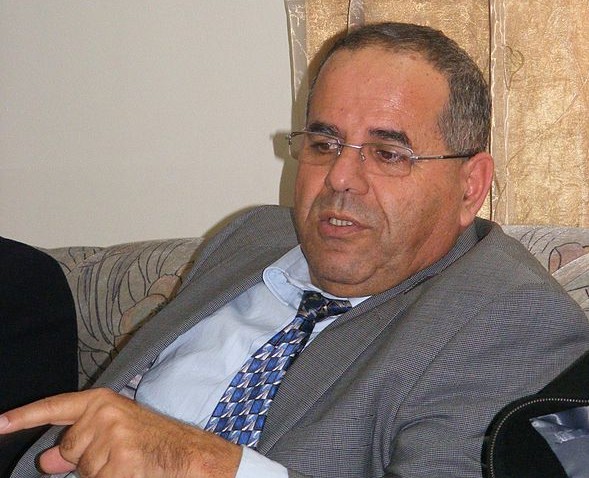
Israeli Deputy Minister of Regional Cooperation Ayoob Kara. Photo: Wikipedia.
The relationship between Israel and a coalition of Gulf states led by Saudi Arabia is being held back by US inaction in the region, an Israeli deputy minister told The Algemeiner on Monday.
“The United States is not looking at Israel’s and the Gulf states’ interests in the same picture,” Deputy Minister of Regional Cooperation Ayoob Kara said, adding that Israel “is looking for new relationships in our area.”
But closer ties between Israel and the Gulf states, including Saudi Arabia, the United Arab Emirates and Bahrain, would not improve “if the US doesn’t push it,” said Kara, adding that the lack of pressure perhaps signaled Washington was not at all interested in fostering better relations among the countries of the Middle East.
Kara said he believes Israel and many of the Gulf countries have common enemies in Iran, Syria and Lebanon-based Hezbollah — an alliance which has been strengthened by Russian involvement in the Syrian civil war — as well as terrorist groups like ISIS.
Earlier on Monday, according to Israel National News, Kara told the 13th Jerusalem Conference that Israel could “have cooperation with the threatened countries around us, but the United States does not want this to happen, is interfering with it and continues to push us toward the situation with the Palestinians, which has no solution.”
Closer relations between Israel and the Gulf countries could actually “help us to find a solution for the Palestinian issue,” he told The Algemeiner, adding that he felt the “United States is not doing anything new here with the peace process.”
“The Saudis every day send me messages that they need a new relationship with Israel,” he said.
According to Israel Radio, Kara told the conference that the US did not want the Israeli prime minister to score politically from better relations with other regional countries — something he reiterated to The Algemeiner.
“They’re not going to give Netanyahu a benefit in this case and make him more popular,” said Kara, who serves as deputy to Netanyahu, who also holds the Regional Cooperation Ministry.
Kara’s comments came a few weeks after the Wall Street Journal reported that Israel’s Foreign Ministry, led by Director-General Dore Gold, had stepped up efforts to court Sunni countries in the region against a common Iranian threat.
These efforts were spurred largely by the July, 2015 nuclear deal signed between Iran and world powers, led by the US, which was labeled a “historic mistake” by Netanyahu and widely criticized by Gulf countries.