









Israeli Army Revamps Screening for Recruits to Make Better Matches, Factor in Resilience and Skills
Error: Contact form not found.

 by Sharon Wrobel

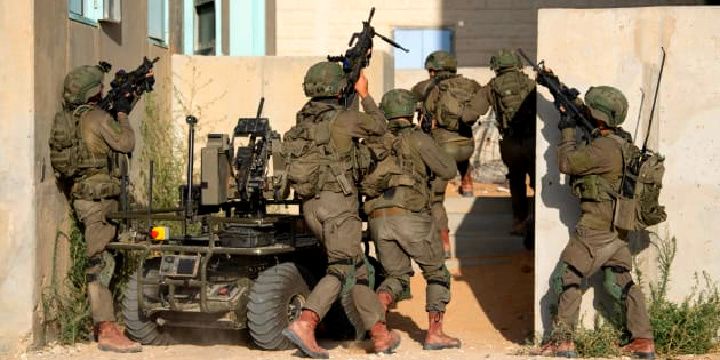
The IDF’s ‘Ghost Unit’ conducts an exercise. Photo: IDF Spokesperson’s Office.
The Israeli army is revamping the way it tests and screens soldiers for enlistment, embarking on a new path to increase motivation and minimize dropouts.
“Any female or male soldier remembers their first day, which is stressful with many tests and one goal in front of their eyes — not to fail the score,” the IDF said Wednesday.
The IDF’s personnel division has realized that this approach to screening led to a lot of pressure, and in turn the army has missed out on potential officers for positions that would suit them better. The new method for testing and placing conscripts, which will come into effect on October 1, will be based on a personal profile to match skills and abilities with the needs of the IDF. The goal is to boost effectiveness while also lowering the rate of dropouts.
Until now, the recruitment process was a lengthy and complex process in which recruits undergo many hours of computerized testing, evaluation and classification. One of the biggest changes is abandoning the so-called quality group, or “Kaba” tests, which produces a score-based ranking based on education, intelligence, psychological tests and a personal interview to help with the initial placement of recruits.
Instead, tests like the so-called “Dapar” — a psycho-technical rating — will be adapted to a more comprehensive testing index that that takes into account five to six parameters, including, cognition, skills, competence and mental resilience.
In the past, the test was hours long, and contained questions of increasing difficulty. Starting in the coming months, the recruits will be asked to answer an adaptive test that lasts no more than half an hour, and instead of starting the questions from easy to difficult, all draftees will start from the same medium degree of difficulty.
Depending on how they perform, the next stage of tests will be adjusted accordingly. Those who make a mistake will get easier questions, and if they answer correctly, the system will increase the level of difficulty. Recruits will also be able to see the scores of each test he or she has done throughout the screening process, which in the past they weren’t allowed to see, instead simply receiving a certificate. Recruits will now also be allowed to retake exams if they feel that the grades they receive are not accurate.
In the end, no score will be received, but 15 indices and sub-indices, making up the profile of each recruit to match their capabilities with the military position applied for. The suitability of each draftee for the various military positions will be determined by using computer algorithms.