









New French Law Makes It Easier for Jews to Reclaim Nazi-Looted Art From WWII

 by Shiryn Ghermezian


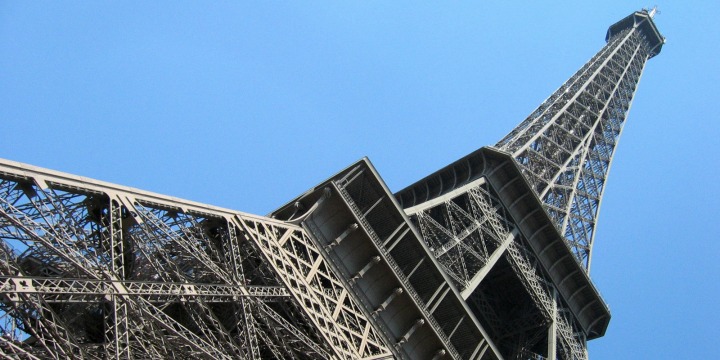
A side view of the Eiffel Tower in Paris. Photo: Wikimedia Commons.
The French Parliament unanimously adopted a new law this week related to the restitution of cultural property stolen by Nazis from Jews who faced antisemitic persecution during the German occupation of France in World War II.
The bill was unanimously passed by the French Senate on May 23 and the same was done by the National Assembly on June 29. A final version of the bill’s text was officially adopted by Parliament on July 13, according to Artnet News. The bill was first introduced by France’s Minister of Culture Rima Abdul Malak earlier this year.
“Part of the people of France, the Jews, whether born here or elsewhere, were persecuted in our country,” Malak said when presenting the bill to the National Assembly. “Their property has been plundered, their lives have been taken, or their lives forced into hiding or exile. We cannot forget it.”
The bill allows cultural property stolen from the Nazis between 1933 and 1945 to be removed from public collections and returned to their rightful Jewish owners. In the past, the French Parliament was required to pass a law for each stolen item from a museum that was returned to its original owners but that is no longer necessary with the new bill.
Restitutions can now be made quicker and the government only needs to obtain authorization from a special committee or Prime Minister Elisabeth Borne. Owners of the stolen items, or their heirs, can also agree on a settlement with museums if they prefer compensation over restitution.
It is estimated that the Nazis looted more than 100,000 pieces of cultural property from Jews in France during World War II, Malak noted in her remarks. Some 60,000 pieces were located in Germany after the war and brought back to France and more than 2,200 were given to French national museums.
“[Nazi] spoliation was part of the horror of genocide, since it proceeded from the same desire for annihilation by making people, their property, their creations, their memory disappear,” Malak added. “History cannot be rewritten. Nothing can repair the tragedy of the Holocaust. But we can do everything in our power to ensure that these cultural assets can be returned to the rights holders of those who have been deprived of them … We owe it to the victims of yesterday and their heirs of today: to give them back a fragment of family history.”


