







How The New York Times Used Selective West Bank Data to Shape a False Moral Verdict
Error: Contact form not found.

 by HonestReporting Staff


The New York Times building in New York City. Photo: Wikimedia Commons
The New York Times’ recent interactive project on the West Bank avoids incendiary terminology. It does not accuse Israel of ethnic cleansing outright. Yet the impression it leaves readers with is unmistakable: a story of systematic dispossession, driven by Israeli settlers and tolerated by the state.
That conclusion is not argued directly. It is constructed indirectly, through selective facts, emotional imagery, and critical omissions.
The article portrays a daily reality of Palestinian villagers under siege by armed settlers, shielded by Israeli soldiers, and backed by state institutions. The tone is stark and accusatory. But the apparent coherence of this narrative depends on three elements that are completely biased.
1/
The New York Times doesn’t use the phrase “ethnic cleansing” in its West Bank project.It doesn’t have to.
Selective imagery, distorted data & erased Palestinian terrorism lead to one conclusion: Israel is driving Palestinians off their land.
That claim is false.
pic.twitter.com/a4boarQwVq
— HonestReporting (@HonestReporting) December 22, 2025


Casualty Statistics
The first is the use of casualty statistics. The Times relies extensively on data from the United Nations Office for the Coordination of Humanitarian Affairs (UNOCHA) to demonstrate a dramatic rise in settler violence.
What readers are not told is how those numbers are assembled. UNOCHA does not consistently distinguish between civilians and terrorists killed while carrying out attacks. Palestinians who die while attempting stabbings, shootings, or vehicular assaults, are frequently recorded simply as casualties.
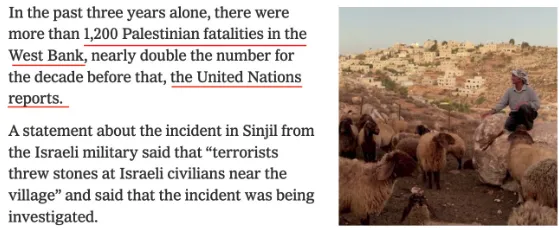
This methodology matters. It collapses perpetrators and victims into the same category and inflates the appearance of civilian harm. When such figures are presented without explanation, they create a misleading picture of violence divorced from context. The New York Times adopts these numbers uncritically, allowing a flawed dataset to underpin its central claim.
Ignoring Palestinian Terrorism
Second, the article ignores Palestinian terrorism. Over the past year, according to Israel Security Agency data, thousands of attacks have targeted Israelis in the West Bank, ranging from shootings and stabbings to Molotov cocktails and explosive devices. Many were intercepted before civilians were harmed. This sustained campaign is essential to understanding Israeli military operations and security measures. Yet it appears only faintly, if at all, in the article.
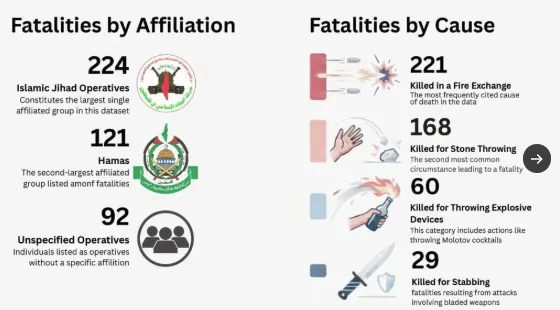
HonestReporting visualization based on B’Tselem data of Palestinians killed by Israeli forces from October 7, 2023, to October 31, 2025.
The absence extends further. Palestinians killed during Israeli counterterror operations are frequently affiliated with armed groups such as Hamas or Islamic Jihad, particularly in hotspots like Jenin and Nablus. These affiliations are rarely acknowledged. Readers are left with an image of indiscriminate force rather than targeted security activity.
Visual Storytelling
The third biased element in the article is the visual storytelling, which reinforces the narrative.
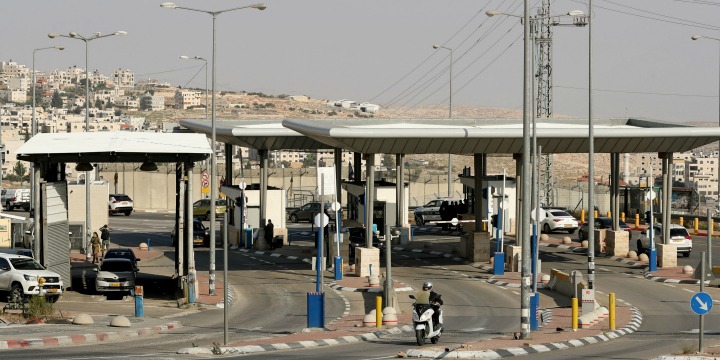
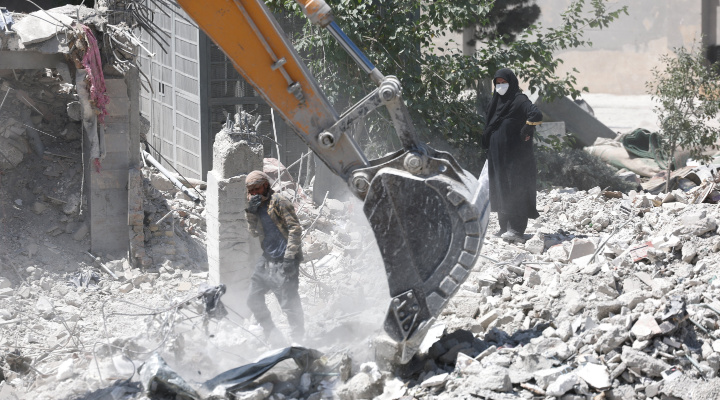
Images of demolished homes and emptied landscapes suggest deliberate displacement. But the legal framework governing much of the territory is barely explained.
Many demolitions occur in Area C, which, under internationally recognized agreements, falls under Israeli civil and security authority. Construction there requires permits. Unauthorized structures, whether Palestinian or Israeli, are subject to enforcement. By omitting this context, regulation is reframed as expulsion.
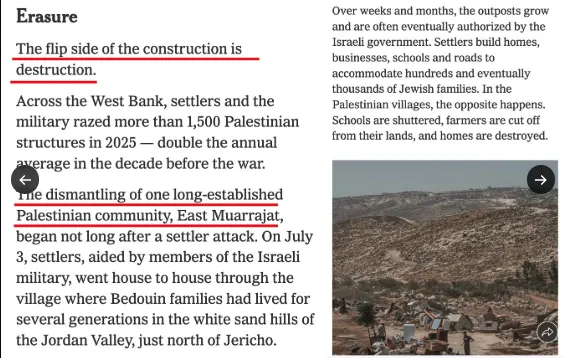
The article also implies that Israeli institutions tolerate or even enable extremist settler violence. This claim overlooks documented realities.
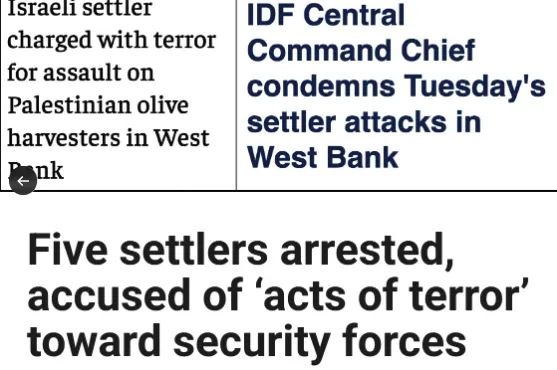
Israeli political and military leaders have repeatedly condemned such acts, warning that they undermine security and divert resources. Extremist settlers have been arrested, prosecuted, and in some cases have violently clashed with Israeli soldiers themselves. Internal accountability exists, but it is erased from the story.
Criticism of Israeli policy is legitimate and necessary. But journalism carries an obligation to present complexity honestly. When context is stripped away, when flawed data is treated as fact, and when terrorism is sidelined, reporting stops informing and starts directing. The New York Times’ project offers readers a powerful story, but not a complete one. And when narrative takes precedence over evidence, the public is misled.
HonestReporting is a Jerusalem-based media watchdog with a focus on antisemitism and anti-Israel bias — where a version of this article first appeared.