








Attacks on Israeli Medical Institutions Up 25 Percent, Says Israeli Cyber Security Firm
Error: Contact form not found.

 by JNS.org

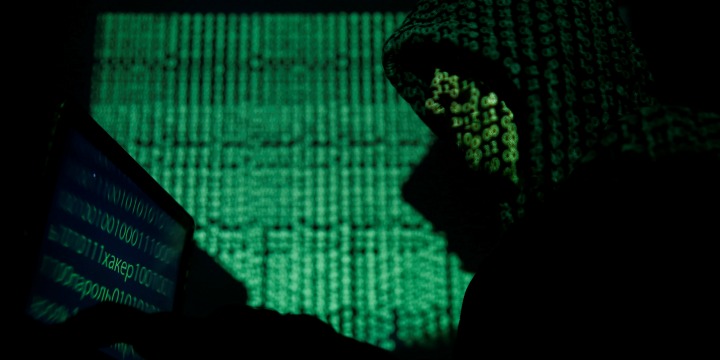
A hooded man holds a laptop computer as cyber code is projected on him in this illustration picture taken on May 13, 2017. Photo: Reuters / Kacper Pempel / Illustration.
JNS.org – Israeli medical institutions have been weathering a cyber-onslaught over the past two months, a report by Israeli IT security giant CheckPoint revealed on Tuesday.
According to the company’s data, Israel has seen a 25 percent increase in cyberattacks on its hospitals, HMOs, clinics and treatment centers, going from an average of 652 weekly attack in the period prior to November 2020 to 813 weekly cyberattacks in the last two months of the year.
Israel is not alone: cyber attacks on medical institutions around the world have jumped by 45 percent in recent months, from 430 weekly attacks on average to 620, making the healthcare sector the most targeted sector in the world at this time.
The data show a 145 percent increase in cyberattacks on the healthcare sector in Central Europe, followed by East Asia (137 percent), South America (112 percent) and North America (37 percent).
“Given the global pandemic, the burden on hospitals and even the vaccination campaigns taking place in various medical institutions, it is understandable why this sector particularly has been under attack,” said the report.
“We see medical institutions in different parts of the world that would rather pay ransom [to hackers] instead of having their data leaked or encrypted. This success, however, only motivates hackers to mount more attacks,” it continued.
The report was referring to ransomware attacks, in which hackers use malware to encrypt their victim’s information and threaten to leak it or permanently block access to it unless a ransom is paid to decrypt it.
Medical institutions are seen by hackers as easy targets, said Omer Dembinsky, head of data research at CheckPoint.
“Hackers assume medical institutions are overrun by the pandemic and that they will do anything to avoid an interruption to their operational routine,” he said.