





Home Sweet Home: From Amona to Shiloh
Error: Contact form not found.

 by Jerold Auerbach

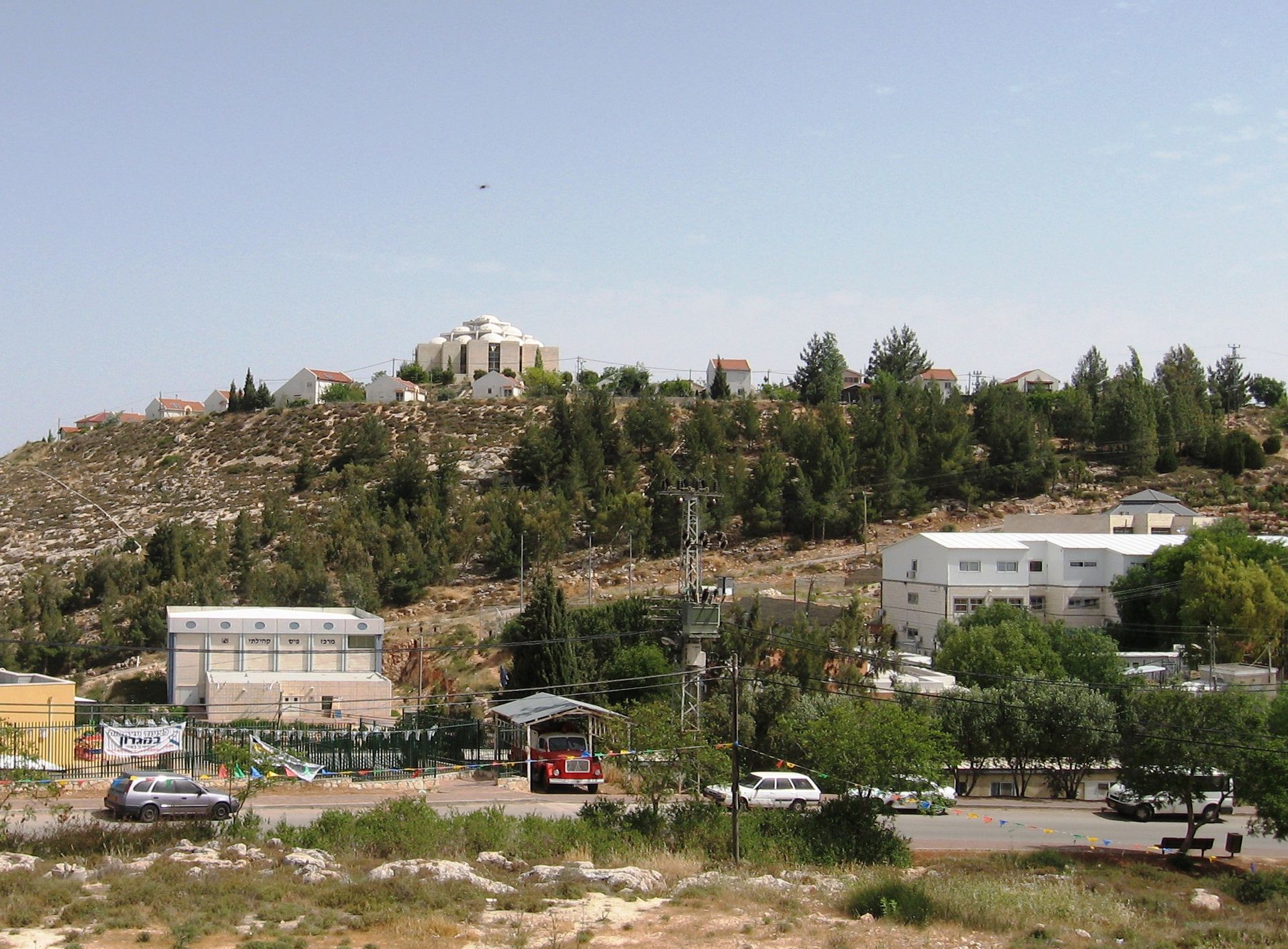
The Jewish community of Shiloh in the northern West Bank. Photo: Twitter
Like Jarndyce v. Jarndyce in Charles Dickens’ Bleak House, the legal saga of some fifty families in the Jewish outpost of Amona “drones on.” Founded in 1996, the story of Amona has spawned nearly two decades of convoluted litigation. In 2014, the Israeli Supreme Court, ruling that the community was built on privately owned Palestinian land, ordered its evacuation and demolition within two years. By the end of 2016, Amona residents will be relocated to their new neighborhood in the nearby settlement of Shiloh.
Yet, last month, the US State Department — in what New York Times reporter Isabel Kirshner described as “an unusually sharp statement” — castigated the move to Shiloh as “deeply troubling.” Claiming (erroneously) that it would “create a significant new settlement deep in the West Bank,” State Department deputy spokesman Mark Toner anticipated that it would “seriously undermine the prospects for a two-state solution.”
Daniel Greenfield, known to online readers as the blogger “Sultan Knish,” wrote about “The Little Jewish Village That Makes Obama Boil.” The Amona families, he noted, “would hardly be noticeable if they all crowded into the White House foyer.” Why, then, were they targeted for American wrath, especially when their homes and community will soon cease to exist?
Shiloh, founded in 1978, was among the first half-dozen settlements built after the Six Day War. Like Kiryat Arba, which was established adjacent to Hebron six years earlier, it had “yichus,” meaning lineage or distinguished birth. For reasons that surely elude State Department officials, Shiloh is indeed “significant.” But with or without Amona refugees it is hardly “new.”
Following Joshua’s conquest, according to the Book of Joshua (18:1): “the whole congregation of the children of Israel assembled themselves together at Shiloh, and set up the tent of meeting there.” During the 11th and 12th centuries BCE, Shiloh, where the Ark and Tabernacle were located, was the religious center of Jewish worship in the Land of Israel: “The Lord continued to appear at Shiloh, and there he revealed himself…through His word” (1 Samuel 1:3). Shiloh remained the holiest site of Jewish worship in the Land of Israel until King Solomon built the first Temple in Jerusalem.
The Israel Foreign Ministry bluntly – and accurately – stated in its response to State Department criticism: “The 98 housing units approved for the Shiloh settlement” to accommodate the Amona newcomers “do not constitute a new settlement.” They will be built on “state-owned land” in Shiloh and “will not alter its municipal boundaries.” The Ministry might also have noted the deeper flaw embedded in State Department fury: Israel’s explicit obligation under United Nations Resolution 242 following the Six-Day War is to withdraw from “territories” — not “the territories” or “all the territories” — in return for peace. Israel’s withdrawal from Gaza, followed by a decade of Hamas rocket and tunnel attacks, suggests that it is not settlements, but the abandonment of them, that propels Palestinian violence.
A more troubling question is whether the forced departure of Amona residents will provoke a violent replay of the Israeli expulsions of Jews from Yamit in Sinai (1982) and Neve Dekalim in Gaza (2005). There is an ominous harbinger from a decade ago, when the Israeli government ordered the demolition of nine newly built homes in Amona and brought 10,000 Israeli police, Border Police and IDF soldiers to the hilltop outpost. A subsequent Knesset inquiry concluded that security forces had used excessive brutality in their confrontation with Israeli protesters.
The five-hundred expelled Amona residents who will arrive in Shiloh two months from now, will surely be filled with deep sorrow over the forced departure from their homes. But they will continue to live in Samaria, the northern portion of the biblical homeland of the Jewish people. Indeed, they will be welcome residents of one of the most ancient communities in the Land of Israel. Celebrating Passover next spring, they might sing “Dayenu” for that new blessing.
Jerold S. Auerbach is a frequent contributor to The Algemeiner.