



The Middle East: 45 Years After the Shah, the US’ Crucial Role in Seeking Stability
Error: Contact form not found.

 by Erfan Fard


Iranian people gather during a ceremony to mark the 40th anniversary of the Islamic Revolution in Tehran, Iran February 11, 2019. Photo: Masoud Shahrestani/Tasnim News Agency/via REUTERS
Forty-five years have passed in Iran since the departure of Mohammad Reza Pahlavi, a juncture that profoundly reshaped the Middle East. Today, as the region continues to simmer with unrest, turmoil, and geopolitical complexities, the US intelligence community remains deeply engaged in deciphering this intricate landscape. Central to their focus are counter-terrorism and counterproliferation, as the Middle East, particularly within the Shia Crescent, grapples with the disruptive influence of numerous Islamic terrorist militias supported by Tehran’s mullahs.
In the era preceding January 16, 1979, the United States found a reliable partner in the late Shah of Iran. His reign was characterized by robust relations with the Arab world and Israel, and tentative diplomatic outreach to the then-USSR and China. Yet, despite these promising dynamics, a critical blind spot loomed: US intelligence, including the CIA and DIA, underestimated the burgeoning tide of Islamic fundamentalism. This oversight signaled a significant shift, one that the US and its allies are still contending with decades later.
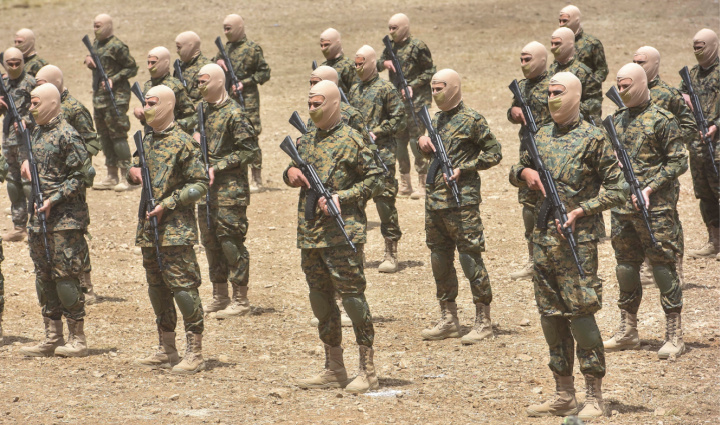
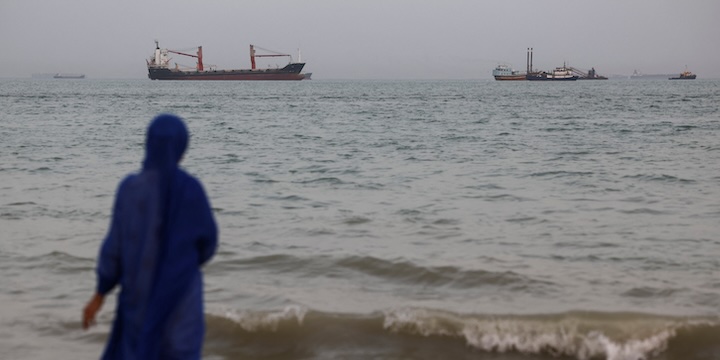
Today, the geopolitical landscape of the Middle East is fraught with volatility. The Persian Gulf and the Red Sea, vital arteries of global trade and politics, remain in a state of persistent unrest, rocked by Iranian-backed terrorist factions. Beyond regional instability, these terrorist groups, supported by networks like the Iranian Revolutionary Guards Corps (IRGC) and Quds Force, actively fuel conflicts against Israel. Cloaked under the guise of “Islamic resistance,” their ultimate aim is to perpetuate the Iranian regime’s aggressive and ambitious policies, far from the ideals they publicly espouse.
The American political response to these challenges has been multifaceted yet contentious. President Joe Biden, known for his historic stances against apartheid and his elation at the fall of communism, confronts a complex dilemma in dealing with Iran’s theocratic regime. His administration’s attempts to breathe life into the seemingly moribund nuclear deal — known as the Joint Comprehensive Plan of Action (JCPOA) — have been met with skepticism and hurdles. The JCPOA, conceived as a framework to limit Iran’s nuclear capabilities in return for sanction relief, has become a pivot of international debate and a litmus test for diplomatic engagement with Tehran.
The Middle East’s quagmire transcends international diplomacy. The region is embroiled in conflicts accentuated by war, terrorism, sectarianism, and tribalism. Iran simmers with internal discontent and political undercurrents. Below the surface of its cities, waves of public dissent against the regime’s authoritarian grip are rising. Concurrently, speculation about the succession of the ailing Ali Khamenei stirs within the regime’s core. During Khamenei’s tenure, starting in 1989, the US has seen six presidents, a stark contrast that underscores the differing political trajectories of the two nations.
As the Biden administration’s term advances, a shift in US policy towards the Middle East seems improbable. The approaching 2024 election raises questions about the continuity or change in current strategies. The US intelligence community, aware of the stakes, works tirelessly to counter Iranian influence and maintain American dominance in the region through its alliances. However, the outcomes of these efforts remain shrouded in uncertainty.
Forty-five years ago, the Shah’s departure was akin to pulling a pillar of stability from a delicately balanced structure. The region plunged into a state of radicalism and unrest, a consequence still reverberating today. While the term “regime change” in Iran is politically sensitive and often avoided in Washington’s political corridors, the continuation of the current regime in Tehran poses a significant challenge to the dream of regional peace and stability.
Moreover, the Middle East’s plight is not merely a regional concern; it is a global issue necessitating a nuanced and comprehensive approach. The lessons of history, combined with present realities, must inform the strategies of the US and other global players. The region’s stability is intricately linked to global security, economic interests, and the broader quest for a peaceful international order. As such, a recalibration of policies and strategies, informed by a deep understanding of the region’s complexities, is imperative.
In this context, the role of diplomacy, intelligence, and strategic foresight becomes paramount. The US, along with its regional allies, must navigate a path that balances the pursuit of security interests with the promotion of peace and stability. This journey involves understanding the aspirations and grievances of the Middle Eastern peoples, addressing the root causes of extremism, Islamic terrorism, and fostering a climate conducive to dialogue and reconciliation.
In conclusion, the quest for stability in the Middle East, 45 years post-Shah, is a journey fraught with challenges but rich with opportunities. As the US moves forward, its policies and actions must be grounded in a clear-eyed assessment of the past, a realistic appraisal of the present, and a visionary outlook for the future. Only through such a comprehensive approach can we hope to see a Middle East that transcends the legacies of its tumultuous past and moves towards a future marked by peace, stability, and prosperity.
Erfan Fard is a counter-terrorism analyst and Middle East Studies researcher based in Washington, DC. He is in Middle Eastern regional security affairs with a particular focus on Iran, counter terrorism, IRGC, MOIS and ethnic conflicts in MENA. He graduated in International Security Studies (London M. University, UK), and in International Relations (CSU-LA). Erfan is a Jewish Kurd of Iran, and he is fluent in Persian, Kurdish, Arabic and English. / Follow him from this twitter account @EQFARD / The newly published book of Erfan Fard is: “The Black Shabbat” (Israel, the target of terrorist), which has been published in the USA. www.erfanfard.com